


International shipping costs continue to rise steadily. Therefore, importers constantly seek better logistics models. Australia remains a major destination for global trade. However, freight choices directly affect profitability. Many shippers compare Full Container Load and Less than Container Load. Although LCL seems cheaper initially, hidden costs add up quickly. In contrast, affordable FCL shipping to Australia offers predictable pricing. It also delivers operational efficiency and lower long-term costs.
Why Shipping Method Selection Matters More Than Ever
Freight expenses impact landed product costs directly. Even small inefficiencies reduce margins quickly. Moreover, Australian customs procedures increase handling sensitivity. Therefore, the shipment structure becomes critical. LCL shipments require cargo consolidation. They involve multiple shippers and warehouses. As a result, delays and damage risks increase. Cost transparency also decreases significantly.
Understanding the Core Difference Between FCL and LCL
What Is Full Container Load Shipping?
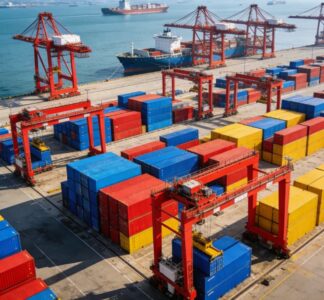
FCL shipping dedicates an entire container to one shipper. Cargo remains sealed from origin to destination. Therefore, handling steps are reduced significantly. Shipment control improves throughout transit. In comparison, LCL combines shipments from multiple exporters. Cargo passes through consolidation hubs. Each transfer introduces delays and fees. Risk exposure increases at every stage.
Why Australia Favors FCL Shipments
Australia enforces strict biosecurity regulations. Every inspection increases dwell time. FCL shipments face fewer inspections. Clearance becomes faster and simpler. Additionally, the Australian port favors container efficiency. FCL reduces port congestion exposure. As a result, delivery timelines stabilize. Supply chains remain predictable.
Cost Structure Differences Between FCL and LCL
Transparent Pricing in Affordable FCL Shipping to Australia
FCL pricing remains straightforward: pay for container space once. There are fewer variable charges. Budget forecasting becomes easier. LCL pricing includes many add-on fees. These include consolidation and deconsolidation charges. Storage and documentation fees also apply. Final invoices often exceed expectations.
Cost Comparison Data Table
The table below illustrates typical cost differences.
| Cost Factor | FCL Shipping | LCL Shipping |
|---|---|---|
| Base Freight Rate | Fixed | Variable |
| Handling Fees | Low | High |
| Port Storage Charges | Minimal | Frequent |
| Damage Risk Costs | Low | Higher |
| Total Cost Predictability | High | Low |
These differences compound over time. High-volume shippers feel the impact faster. Therefore, FCL delivers better cost control. Long-term planning improves.
Operational Efficiency Benefits of FCL Shipping
Reduced Transit Time and Delays
FCL cargo moves directly to destination ports. It avoids consolidation delays entirely. Therefore, transit time shortens. Inventory turnover improves. Faster delivery supports better cash flow. Warehousing requirements decrease. Stockouts become less frequent. Customer satisfaction increases.
Lower Cargo Damage and Loss Risk
FCL containers remain sealed throughout transit. Cargo avoids repeated handling. Therefore, physical damage decreases. Insurance claims have reduced significantly. For fragile or high-value goods, this matters greatly. Loss prevention protects profit margins. Reliability builds customer trust. Brand reputation strengthens.
When Affordable FCL Shipping to Australia Makes Sense
Ideal Shipment Volume Thresholds
FCL becomes cost-effective earlier than many expect. Typically, cargo above fifteen cubic meters qualifies. Weight density also matters significantly. Freight advisors calculate break-even points. As shipment volume grows, LCL inefficiencies escalate. Per-unit shipping costs rise sharply. FCL stabilizes the cost per unit. Scaling becomes easier.
Suitable Industries for FCL Shipping
Industries benefiting from FCL include:
-
Manufacturing components
-
Furniture and home goods
-
Electronics and appliances
-
Retail private-label products
These sectors value predictability. They manage recurring shipments. FCL supports consistent replenishment cycles. Operational planning improves.
Strategic Advantages Beyond Direct Cost Savings
Simplified Documentation and Compliance
FCL shipments require fewer shipping documents. They reduce coordination complexity. Therefore, the administrative workload decreases. Error risks decline. Australian customs clearance becomes smoother. Fewer parties simplify compliance checks. Delays have been reduced significantly. Supply chain confidence grows.
Stronger Negotiation Power With Carriers
FCL volumes attract better carrier attention. Shippers gain leverage in negotiations. Rates stabilize across contracts. Service levels improve. Long-term carrier relationships become possible. Priority loading often applies. Disruption impact decreases. Logistics resilience strengthens.

Why Logistics Professionals Choose FCL Solutions
Key Decision Criteria for Shippers
When choosing shipping methods, consider:
-
Shipment volume consistency
-
Delivery timeline sensitivity
-
Cost predictability requirements
-
Cargo value and fragility
-
Australian compliance exposure
These factors guide smarter decisions. They reduce operational surprises. Efficiency improves across departments. Profitability remains protected.
Choosing the Right FCL Partner
Affordable FCL shipping requires expertise. Route optimization matters greatly. Carrier selection affects reliability. Documentation accuracy prevents delays. Therefore, choose the WinWin for dependable FCL solutions. WinWin focuses on efficiency and transparency. Their expertise supports long-term logistics success. Operational confidence increases.
FCL Delivers Sustainable Cost Efficiency to Australia
While LCL suits occasional small shipments, it scales poorly. Hidden fees and delays erode savings. In contrast, FCL offers control and predictability. It supports growing international trade. For consistent shipments to Australia, FCL outperforms LCL. Costs stabilize, and risks decline. To optimize the shipping strategy, choose the Win-Win. Smart logistics begins with smarter container choices.
FAQ:
Q1: When does FCL become cheaper than LCL?
FCL often wins above fifteen cubic meters.
Q2: Is FCL faster than LCL to Australia?
Yes, it avoids consolidation delays.
Q3: Does FCL reduce customs clearance risks?
Yes, fewer handling points simplify inspections.


