

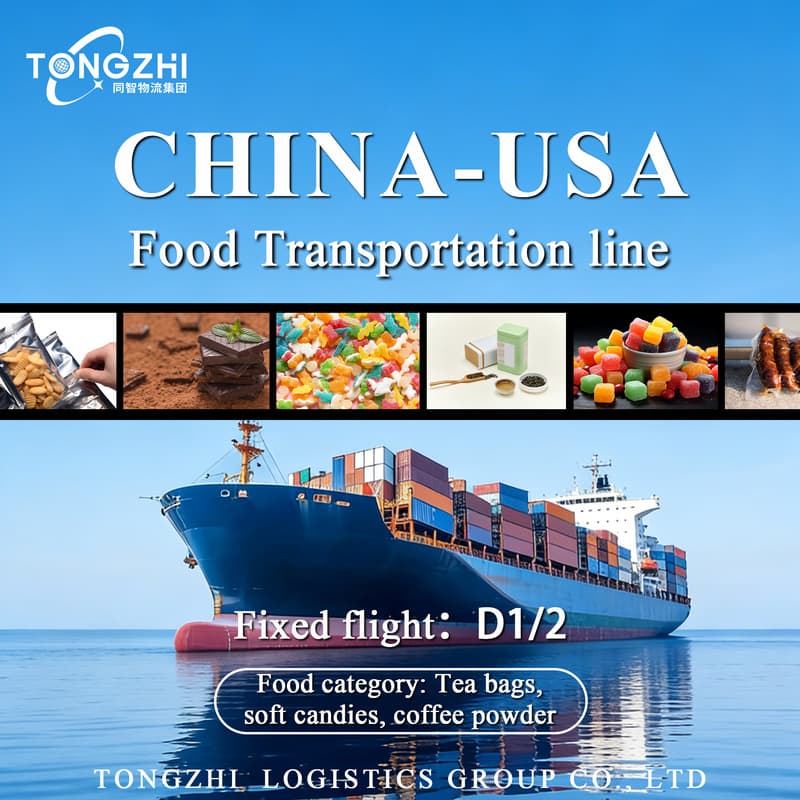
Picture a bustling harbor where massive cargo ships glide through deep blue ocean waters daily. These giant vessels carry thousands of heavy steel containers filled with premium loose-leaf tea harvests. From the high-altitude plantations of Sri Lanka to coffee shops in New York, logistics networks move millions of pounds smoothly. However, international tea merchants face a constant, difficult business challenge.
They must balance expensive global shipping budgets against strict retail product freshness deadlines. Air cargo moves inventory fast, but the astronomical price tags destroy consumer retail profit margins quickly. Consequently, experienced beverage importers choose a far more practical, traditional route. Relying on ocean vessels represents the most sustainable method for tea import transportation today.
This detailed logistics analysis explains how ocean shipping optimizes your overall international tea shipping workflows.
The Financial Reality of Bulk Volume Shipping
Global beverage economics operate entirely on achieving massive, repeatable scale. Let us analyze why ocean vessels offer unmatched cost advantages for loose-leaf trade.
Capitalizing on Massive Economies of Scale
A single standard container carries up to twenty metric tons of dried organic tea leaves. Air planes simply cannot match this weight capacity without charging exorbitant fuel premiums.
Ocean carriers spread their total fuel costs across millions of individual product packages simultaneously. Therefore, you reduce your per-pound transport costs to just a few pennies.
Reducing Your Overall Carbon Taxation Fees
Modern corporate buyers look past basic freight pricing sheets during procurement cycles. Many Western nations now penalize high-emission shipping methods via strict carbon taxation models.
Ocean vessels emit a tiny fraction of the greenhouse gases that cargo planes produce. By choosing sea routes, you lower your environmental taxes and protect your net profit margins.
Preserving Delicate Tea Quality Across Long Ocean Voyages
Skeptics often worry that long ocean voyages expose fragile organic leaves to ambient moisture damage. However, modern shipping technology solves these environmental challenges completely.
Utilizing Advanced Reefers and Desiccant Systems
Excessive humidity represents the ultimate enemy of premium loose-leaf tea inventory. If moisture seeps into a container, mold ruins the entire batch within days.
Logistics teams prevent this nightmare by utilizing specialized dry containers lined with thermal blankets. They also place industrial desiccant bags inside to absorb moisture out of the air continuously.

Isolating Fragile Leaves from External Odors
Dried tea leaves naturally absorb ambient smells from surrounding environments very quickly. You cannot store tea next to chemical barrels or pungent food shipments.
Experienced freight forwarders guarantee full container load isolation for delicate leaf varieties. This strict separation ensures your Darjeeling retains its authentic floral aroma upon arrival.
Comparing Global Transport Platforms: Sea vs. Air
Selecting the wrong transport mode can devastate your annual beverage retail budgets. The financial comparison table below details the performance differences across key metrics.
| Logistics Performance Metric | International Air Freight Lines | Bulk Ocean Sea Freight Routes |
| Maximum Cargo Weight Limits | Highly restrictive per plane | Virtually unlimited via container blocks |
| Environmental Carbon Footprint | Massive aircraft emissions | Low impact per transport ton |
| In-Transit Storage Environment | Fluctuating altitude pressures | Stable, sealed sea-level containers |
| Best Used For This Product Tier | Ultra-rare, micro-batch matcha | High-volume commercial loose-leaf |
Strategic Inventory Management for Smooth Distribution
Successful tea importing requires careful planning rather than panicking over sudden, last-minute supply shortages. Let us explore how ocean timetables improve your warehouse workflows.
Establishing Predictable Seasonal Procurement Pipelines
Tea leaves harvest at predictable intervals throughout the spring and summer seasons. Because you know these dates, you can book ocean container space months in advance.
This forward planning helps you secure low contract freight rates before summer peak seasons begin. You keep your storage warehouses stocked smoothly without relying on emergency air shipments.
Integrating Seamless Door-to-Door DDP Logistics Solutions
Modern sea shipping involves far more than merely moving cargo from port to port. Leading logistics networks handle your customs clearance, port drayage, and final warehouse trucking.
By utilizing comprehensive beverage supply chain solutions, you eliminate unexpected border delays entirely.
Sourcing Smart Logistics: An Importer’s Sourcing Checklist
Supply chain managers must look past basic port-to-port rate quotes when selecting a freight forwarder. Avoid choosing cheap brokers who lack experience handling delicate food products.
-
Verify FDA and Food-Grade Registrations: Ensure your carrier maintains certified clean storage warehouses.
-
Demand Strict FCL Options: Prioritize Full Container Loads to avoid cross-contamination from other cargo types.
-
Inspect the Container Seals: Confirm the carrier utilizes high-security bolt seals to prevent transit tampering.
-
Check Route Transit Guarantees: Select direct voyages to avoid slow, multi-port transshipment delays.
The True ROI of Optimizing Your Shipping Methods
Some boutique brand owners hesitate when moving their supply chains away from fast air transport. However, the long-term financial benefits of ocean freight transform your business performance.
Unlocking Capital for Strategic Brand Marketing
Paying for expensive air cargo drains your company cash reserves continuously every single month. That wasted money could fund local social media ads or premium retail packaging designs instead.
Switching to a steady sea lane drops your loose leaf tea freight costs dramatically. This budget relief gives your finance team more freedom to scale your business operations.
Maintaining Stable Retail Pricing for Consumers
Spiking transport fees force businesses to raise their retail shelf prices unexpectedly. Unfortunately, modern grocery shoppers abandon brands that fluctuate in price too often. Ocean freight contracts protect your retail operations from sudden, erratic price hikes. Consequently, you keep your store pricing stable, which builds deep, long-term customer loyalty.
Selecting Your International Logistics Partner
Sourcing reliable bulk ocean freight logistics requires a partner with deep experience across Asian and South American trade lanes. Avoid general freight forwarders who mostly move electronics or heavy industrial machinery.
Instead, look for specialized food-and-beverage transport partners who provide real-time GPS container tracking. This visibility allows your warehouse team to prepare for incoming arrivals down to the exact hour.

Final Thoughts
The international tea market will continue to expand rapidly over the coming years. Beverage brands must optimize their transport lanes to protect their bottom-line profits from rising overhead costs.
Ultimately, integrating reliable ocean freight solutions protects your long-term business growth. It delivers the massive cost savings, volume capacity, and product safety that modern tea enterprises need to thrive.
Do you need technical assistance calculating the exact container space required for your upcoming autumn harvest shipment? Contact our beverage logistics engineering team today for a complimentary supply chain design consultation.


