

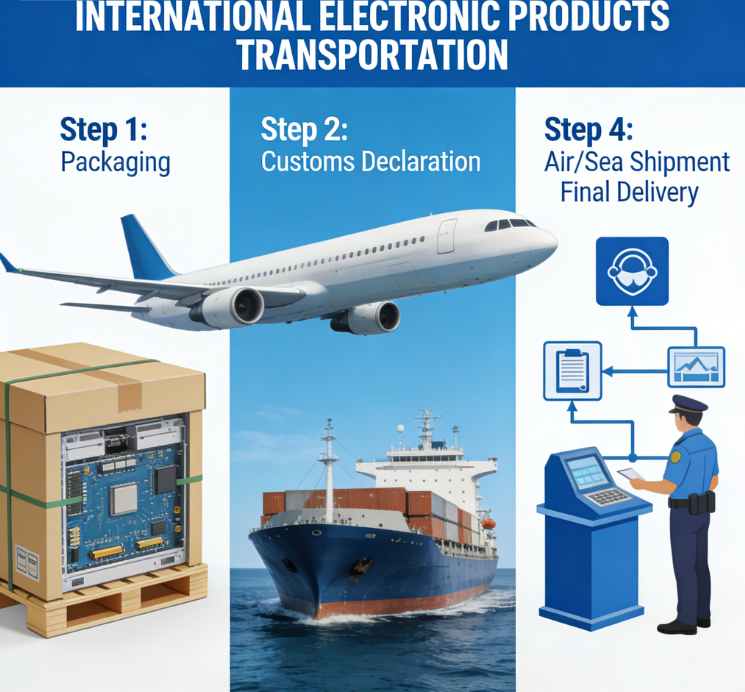
The global demand for high-tech gadgets grows significantly every single year. Consequently, businesses must master the complexities of international shipping for electronics. Shipping a smartphone is much harder than shipping a piece of clothing. Electronics are fragile, expensive, and often contain hazardous materials like lithium batteries.
To succeed, you must navigate strict international regulations and complex customs requirements. A single mistake can lead to seized cargo or expensive fines. Furthermore, poor packaging can result in damaged goods and unhappy customers. This comprehensive guide explores the best practices for secure and efficient global delivery. We will help you build a robust logistics strategy that protects your bottom line. Let us explore the technical world of electronic logistics!
1. Understanding Lithium Battery Regulations 🔋
Lithium batteries power almost every modern electronic device today. However, international aviation authorities classify them as dangerous goods. Therefore, you must follow specific rules to ensure flight safety.
Proper Labeling and Documentation
You must identify whether your batteries are “contained in equipment” or “packed with equipment.” Each category requires different UN identification numbers and warning labels. For instance, UN3481 labels apply to batteries inside a laptop. Failure to display these labels correctly will result in immediate shipment rejection.
Watt-Hour Limits
Most commercial couriers impose strict watt-hour (Wh) limits for air freight. Generally, individual batteries should not exceed 100Wh for easy transport. If your power banks or industrial batteries are larger, you need specialized “Dangerous Goods” handling. This process involves higher costs and much more paperwork.
2. Mastering Customs Clearance for Electronics 📑
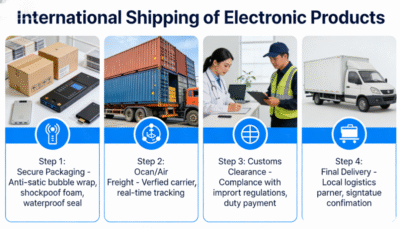
Customs officials scrutinize electronics more than almost any other product category. They look for safety certifications, correct valuations, and intellectual property compliance.
Essential Safety Certifications
Different regions require specific safety marks before electronics can enter the market. For example, the European Union requires the CE mark. The United States requires FCC certification for radio-frequency devices. You must ensure your international shipping for electronics includes these certificates in the digital documentation.
Accurate HTS Code Classification
Harmonized Tariff Schedule (HTS) codes determine the duty rates you must pay. Using the wrong code can lead to overpayment or legal penalties. You should consult with a professional broker to find the exact code for your specific device. This precision ensures a smooth transition through the border.
3. Advanced Packaging for Fragile Technology 📦
Electronic components are highly sensitive to static, moisture, and physical impact. Therefore, your packaging must serve as a high-tech shield during the journey.
-
Anti-Static Protection: Use ESD (Electrostatic Discharge) bags for internal circuit boards.
-
Double-Boxing Method: Place the product box inside a larger, heavy-duty shipping carton.
-
Void Fill Materials: Use high-density foam or air pillows to prevent any internal movement.
-
Moisture Barriers: Include silica gel packets to absorb humidity during long sea voyages.
By focusing on these details, you reduce the risk of “Dead on Arrival” (DOA) products. This proactive approach saves you thousands in return shipping and replacement costs.
4. Selecting the Right Global Logistics Partner 🚛
Not every freight forwarder understands the nuances of high-value tech shipments. You need a partner with a proven track record in international shipping for electronics.
Real-Time Tracking Capabilities
High-value electronics are prime targets for theft during transit. Consequently, you should choose a carrier that offers end-to-end GPS tracking. Some specialized providers even offer light sensors inside the crates. These sensors alert you immediately if a box is opened prematurely.
Insurance and Liability Coverage
Standard carrier liability is rarely enough to cover the cost of high-end servers or medical devices. You must purchase “All-Risk” cargo insurance for every shipment. This coverage provides peace of mind against accidents, theft, or natural disasters at sea.
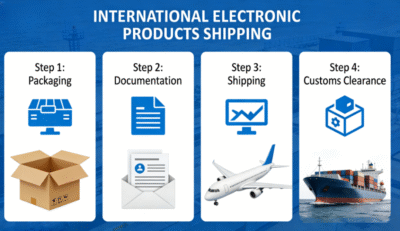
5. Technical Comparison: Air Freight vs. Sea Freight for Tech
| Feature | Air Freight | Sea Freight |
| Speed | 3–7 Days (Fastest) | 30–45 Days (Slowest) |
| Cost | High (Based on weight/volume) | Low (Ideal for bulk orders) |
| Battery Safety | Very Strict Regulations | More Flexible |
| Stability | High (Less vibration) | Moderate (Higher humidity) |
| Best For | New Product Launches | Routine Inventory Restock |
6. Navigating Taxes and Duties (DDP vs. DAP) 💰
Who pays the taxes? This question determines your customer’s final experience. Choosing the right Incoterms is vital for international shipping for electronics.
DDP (Delivered Duty Paid)
Under DDP, the seller handles all taxes and duties. This provides the best customer experience because the buyer receives the box directly. There are no surprise fees at the door. Most successful e-commerce brands use this model to build trust.
DAP (Delivered at Place)
In a DAP arrangement, the customer must pay the local VAT and duties. This can lead to shipments being abandoned at customs if the customer refuses to pay. For high-value electronics, this often results in significant financial losses for the seller.
7. Handling Returns and Reverse Logistics 🔄
Even with perfect shipping, some customers will need to return products. A smooth reverse logistics process is a key part of your global strategy.
You should establish local return centers in your major markets. This prevents the need for expensive international shipping for a single repair. Furthermore, ensure you understand “Temporary Import” rules. These rules allow you to bring products back for repair without paying import duties a second time.
Building a Resilient Electronics Supply Chain
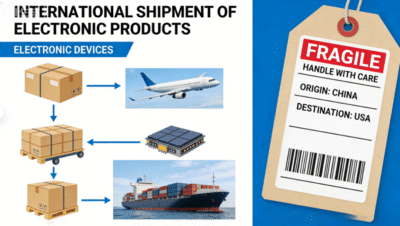
Handling international shipping for electronics requires a balance of speed, safety, and compliance. You must stay updated on the latest battery laws and regional certifications. By investing in quality packaging and expert partners, you minimize your risks.
The global tech market is competitive, but a reliable shipping process sets you apart. Treat your logistics as a core part of your product value. When your gadgets arrive safe and on time, your brand’s reputation grows. Start optimizing your electronic shipping workflow today and reach customers in every corner of the world!


