

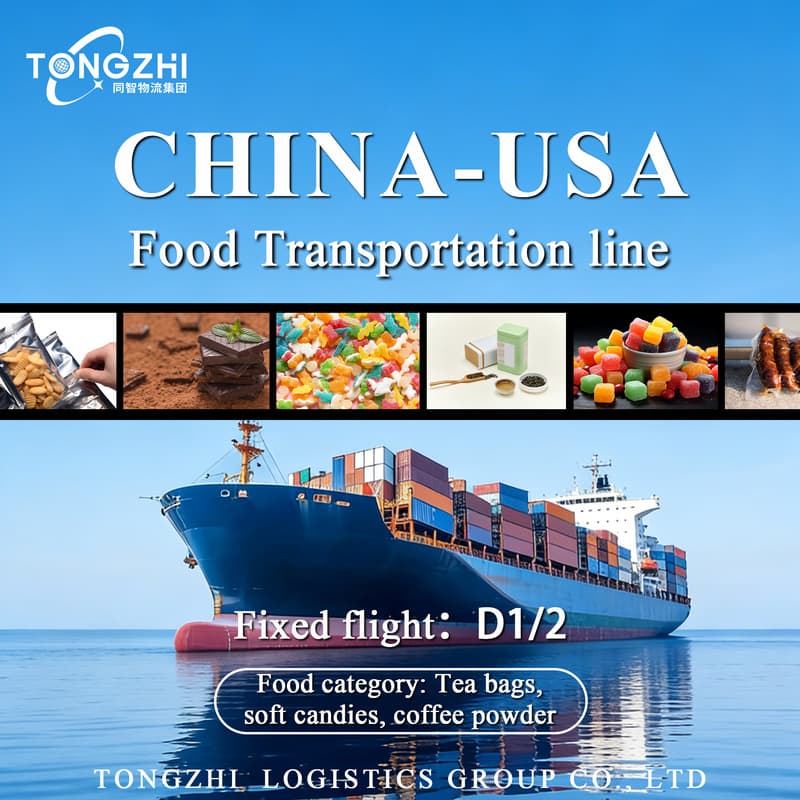
The year 2026 marks a major shift in global food safety. 🍎 The FDA has fully implemented the FSMA Rule 204. This rule focuses on enhanced traceability for high-risk foods. Consequently, every player in the supply chain must adapt quickly.
Understanding Key Data Elements (KDEs) and Critical Tracking Events (CTEs) is now mandatory. These rules ensure that officials can track contaminated food in hours. Failing to comply can lead to heavy fines and shipment rejections. Therefore, businesses must find a partner who understands these complexities.
Defining the Core Concepts: What are CTEs and KDEs?
The FDA uses a specific framework to map the journey of food. It relies on two main pillars to maintain safety.
Understanding Critical Tracking Events (CTEs)
CTEs are the actual milestones in a food product’s life. They represent every time the product moves or changes form. For example, harvesting, cooling, and packing are all distinct CTEs. Shipping and receiving are the most common events for logistics providers. Each event requires a specific set of records to stay legal. 📝
Defining Key Data Elements (KDEs)
KDEs are the specific pieces of information linked to each CTE. Think of KDEs as the “who, what, where, and when” of the event. For FDA-compliant food shipping, you must record the Traceability Lot Code. You also need the location description and the specific date of the move. Accuracy here is vital for preventing delays at the border. 🔍
The Impact of FSMA 204 on Food Logistics
The new rules apply to a specific “Food Traceability List.” This list includes leafy greens, nut butters, and fresh seafood. 🐟
-
Faster Recalls: The FDA now demands data within 24 hours of a request.
-
Digital Records: Companies must move away from messy paper logs.
-
Full Transparency: Every hand that touches the food must be visible.
-
Data Standards: Records must use a clear, electronic sortable spreadsheet format.
Navigating these demands requires advanced technology and deep expertise. This is why many global brands choose Tongzhi Logistics. We provide the digital infrastructure needed for seamless FDA-compliant food shipping. 🌐

Key Data Elements Required for Shipping Events
When you ship food, the FDA requires a specific “Shipping KDE” set. You must share this data with the receiver immediately.
The Traceability Lot Code (TLC)
The TLC is the most important piece of data. It identifies a specific batch of food across the entire globe. You must keep this code consistent from the source to the shelf. If you lose the TLC, you break the chain of traceability. This leads to immediate non-compliance issues. 🏷️
Transaction and Location Details
You must document the physical location of the shipping facility. Furthermore, you must record the name of the carrier and the receiver. The date of the shipment and the quantity of food are also essential. Accuracy in these details prevents “gaps” in the digital record. When you choose Tongzhi Logistics, our systems automate this data entry for you. ✨
How CTEs Protect the Global Food Supply Chain
CTEs act as the “connective tissue” of food safety. They allow the FDA to perform “back-tracing” during an outbreak.
-
Originating: Capturing data at the farm or the initial packing site.
-
Transforming: Recording changes like slicing, cooking, or mixing ingredients.
-
Shipping: Documenting the movement from one location to another. 🚚
-
Receiving: Confirming the arrival of the food at its destination.
Each link in the chain depends on the previous one. If one partner fails, the entire shipment is at risk. Therefore, you must vet your logistics providers very carefully. Professional FDA-compliant food shipping requires a total commitment to data integrity. 🛡️
Common Challenges in Meeting 2026 FDA Standards
Many small and medium-sized businesses struggle with these new digital demands. 💻
Data Fragmentation Issues
Often, different warehouses use different software systems. This makes it hard to share KDEs in a single format. The FDA requires a “Electronic Sortable Spreadsheet” for all audits. Manually creating these files is slow and prone to human error. Automation is the only way to ensure 100% compliance in 2026.
Supply Chain Partner Readiness
Your compliance depends on your least-prepared partner. If your carrier does not track CTEs, you are at fault. This creates a massive legal and financial risk for your brand. To avoid these pitfalls, savvy exporters choose Tongzhi Logistics. We ensure every step of the journey meets the highest safety standards. 🤝
Future-Proofing Your Food Business with Technology
Compliance is not just about avoiding fines. It is about building consumer trust and brand value. 📈
In 2026, transparency is a competitive advantage. Customers want to scan a QR code and see the food’s journey. By mastering KDEs and CTEs, you prove your dedication to quality. Modern FDA-compliant food shipping uses blockchain and IoT sensors for real-time tracking. These tools monitor temperature and location simultaneously.
Tongzhi Logistics invests in these technologies to protect your products. We turn complex regulations into simple, automated workflows. This allows you to focus on growing your food business. 🚀
Navigating the New Era of Food Safety
In summary, the 2026 FDA rules are strict but necessary. KDEs and CTEs provide the data needed to save lives. However, managing this information requires a professional logistics partner. You must ensure your records are digital, accurate, and fast.
Don’t let shipping regulations slow down your growth. Master the art of FDA-compliant food shipping with expert help. To ensure your shipments pass every audit, choose Tongzhi Logistics. We bring clarity to the complexity of global food laws. Let us build a safer, more transparent food future together. 🍎✅


